
Table of Contents
ToggleTop how-to guides help people learn practical skills quickly. Whether someone wants to fix a leaky faucet, cook a perfect steak, or set up a new smartphone, step-by-step instructions make the process simple. These guides break down tasks into clear actions that anyone can follow.
The internet offers thousands of how-to resources, but finding reliable ones takes effort. This article covers the most useful how-to skills across four key areas: home improvement, cooking, technology, and personal finance. Each section provides actionable tips that readers can apply immediately. By the end, readers will have a solid foundation for tackling everyday challenges with confidence.
Key Takeaways
- Top how-to guides break complex tasks into simple, actionable steps across home improvement, cooking, technology, and personal finance.
- Basic home repairs like fixing a running toilet or patching drywall can save hundreds of dollars and require only a few common tools.
- Mastering fundamental cooking techniques—knife skills, searing, and pan sauces—makes most recipes approachable for home cooks.
- Enable two-factor authentication and follow the 3-2-1 backup rule to protect your digital life from security threats and data loss.
- Build financial stability by tracking actual spending, automating emergency fund contributions, and starting retirement investments early.
- These how-to skills form a practical foundation that helps you tackle everyday challenges with confidence.
Essential Home Improvement How-To Skills
Home improvement projects save money and give homeowners a sense of accomplishment. Learning basic repair skills prevents small problems from becoming expensive disasters. Most fixes require only a few tools and an hour or two of work.
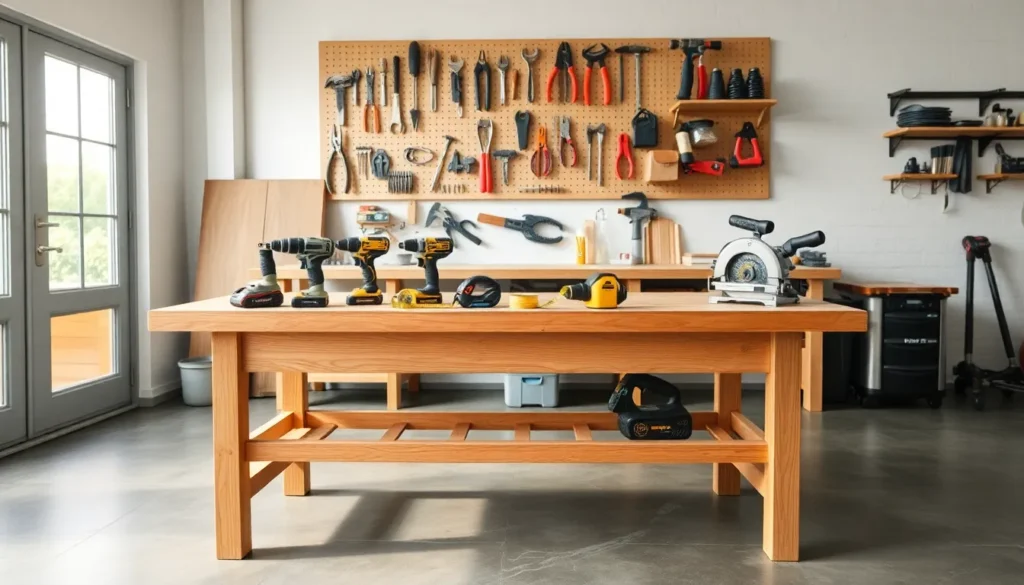
A basic toolkit should include a hammer, screwdrivers (both flathead and Phillips), pliers, an adjustable wrench, a tape measure, and a level. With these items, homeowners can handle about 80% of common household repairs.
Simple DIY Repairs Everyone Should Know
Fixing a Running Toilet
A running toilet wastes up to 200 gallons of water per day. The fix usually takes 15 minutes. First, remove the tank lid and check the flapper at the bottom. If it looks worn or doesn’t seal properly, replace it. Flappers cost about $5 at any hardware store and snap into place without tools.
Unclogging Drains
Before calling a plumber, try a plunger or a drain snake. For bathroom sinks, hair clogs are common. Remove the stopper and pull out the debris with needle-nose pliers. Kitchen sinks often clog from grease buildup, pour boiling water down the drain weekly to prevent this.
Patching Drywall Holes
Small nail holes need only spackle and a putty knife. For holes up to 3 inches, use a self-adhesive mesh patch. Apply joint compound over the patch in thin layers, letting each layer dry before adding the next. Sand smooth and paint.
Replacing Light Switches
Always turn off the circuit breaker first. Remove the cover plate and unscrew the switch from the electrical box. Note which wires connect to which terminals. Attach the wires to the new switch in the same positions. This how-to skill takes about 20 minutes once someone does it a few times.
Popular Cooking and Kitchen How-To Techniques
Cooking skills transform meal preparation from a chore into an enjoyable activity. A few basic techniques apply to hundreds of recipes, making them worth learning well.
Knife Skills
Proper cutting technique speeds up prep work and reduces the risk of injury. Hold the knife with a pinch grip, thumb and index finger on either side of the blade, just in front of the handle. Keep fingertips curled under when holding food. Practice the basic cuts: dice, mince, julienne, and chiffonade.
The Perfect Sear
A good sear creates flavor through the Maillard reaction. Heat the pan until it’s very hot. Pat the protein dry with paper towels, moisture prevents browning. Add oil with a high smoke point, like avocado or grapeseed. Place the food in the pan and don’t move it for 2-3 minutes. Flip once.
Making Pan Sauces
After searing meat, the brown bits stuck to the pan (called fond) contain concentrated flavor. Add liquid, wine, broth, or even water, while the pan is still hot. Scrape the bottom with a wooden spoon. Reduce by half, then swirl in a tablespoon of butter. This how-to technique elevates any protein.
Cooking Pasta Properly
Use plenty of water, at least 4 quarts per pound of pasta. Salt it generously until it tastes like the sea. Cook until al dente, about 1 minute less than the package suggests. Save a cup of pasta water before draining. The starchy water helps sauces cling to noodles.
These how-to techniques form the foundation of home cooking. Master them, and most recipes become approachable.
Technology How-To Guides for Beginners
Technology changes fast, but core skills remain useful across devices and platforms. These how-to guides cover essential digital tasks that everyone should understand.
Setting Up Two-Factor Authentication
Passwords alone don’t protect accounts effectively. Two-factor authentication (2FA) adds a second verification step, usually a code sent to a phone. Enable 2FA on email accounts first, then banks and social media. Authentication apps like Google Authenticator work better than SMS codes because they can’t be intercepted.
Backing Up Data
Data loss happens to everyone eventually. The 3-2-1 rule provides solid protection: keep three copies of important files, on two different types of storage, with one copy offsite. Cloud services like Google Drive or iCloud handle the offsite backup automatically. External hard drives work well for local copies.
Basic Troubleshooting Steps
Most tech problems follow predictable patterns. When something stops working, try these steps in order:
- Restart the device
- Check for software updates
- Clear the app cache or browser history
- Uninstall and reinstall the problematic app
- Search the exact error message online
This how-to process solves about 90% of common issues.
Managing Digital Privacy
Review privacy settings on social media accounts quarterly. Check which apps have access to location data, contacts, and photos. Use a password manager to create unique passwords for each account. Consider a VPN for public WiFi networks.
These technology how-to skills protect personal information and keep devices running smoothly.
Must-Know Personal Finance How-To Tips
Financial literacy affects every part of adult life. These how-to tips cover the basics that schools often skip.
Building a Budget That Works
Start with actual spending data, not estimates. Review bank statements from the past three months. Categorize expenses into fixed costs (rent, utilities, subscriptions) and variable costs (food, entertainment, shopping). The 50/30/20 rule offers a simple framework: 50% for needs, 30% for wants, 20% for savings and debt repayment.
Starting an Emergency Fund
Aim for three to six months of essential expenses in a high-yield savings account. Don’t worry about reaching this goal immediately, start with $500 or even $100. Automate transfers on payday so the money moves before it gets spent. This how-to habit prevents small emergencies from becoming financial crises.
Understanding Credit Scores
Credit scores range from 300 to 850. The factors that affect scores include:
- Payment history (35%)
- Credit utilization (30%)
- Length of credit history (15%)
- Credit mix (10%)
- New credit inquiries (10%)
Pay bills on time and keep credit card balances below 30% of the limit. These two actions have the biggest impact on scores.
Investing for Beginners
Start with employer-sponsored retirement accounts like 401(k)s, especially if the company matches contributions. That match is free money. Index funds offer diversification at low cost. Time in the market matters more than timing the market, begin early, even with small amounts.
These personal finance how-to tips create stability and open opportunities over time.